Ever find yourself guessing a home’s era by its roofline or porch details as you drive through Red Hook? If you are dreaming about a second home or planning a full-time move, the style you choose will shape how you live day to day, what you will update, and how your home will fit local streetscapes. In this guide, you will learn how to spot the most common Hudson Valley styles around Red Hook, what layouts and materials to expect, which maintenance items to watch, and how each style tends to perform on resale. Let’s dive in.
How Red Hook’s architecture took shape
Red Hook and northern Dutchess County blend historic hamlets, village centers, and rural roads dotted with farmsteads and clusters of 19th-century houses. You will see everything from early farmhouses and Greek Revival homes to Victorian-era residences, mid-century ranches, and modern barn conversions. Local builders historically relied on wood framing with clapboard or board-and-batten siding, fieldstone foundations, and in some cases brick, slate, or metal roofs.
Cold winters and freeze-thaw cycles shape upkeep. Roofing, masonry, paint, and insulation all matter here, and heating system performance is a top priority for buyers. Some homes in village or town centers fall within local historic districts, where exterior changes can require review. Many properties use private wells and septic systems, so it is smart to confirm utilities early.
Farmhouse
Visual ID and layout
- Simple rectangular or L-shaped forms with gabled roofs
- Symmetrical or near-symmetrical façades in older examples
- Full or partial front porches and nearby barns or outbuildings
Inside, you often find center-hall or side-hall plans, with formal parlors and a kitchen on the ground floor. Older rooms can be modest in size, while later farmhouses may feature enlarged kitchens and mudrooms.
Materials, maintenance, and resale
Expect wood clapboard or board-and-batten siding, wide-plank floors, exposed beams, and fieldstone foundations. Many older farmhouses benefit from upgrades to insulation, windows, and mechanicals. Porches and stone foundations need periodic attention, and outbuildings can require roofing or structural work.
Resale appeal is high with buyers who value rural authenticity and flexible space. Updates to systems, plus good road access, further boost value.
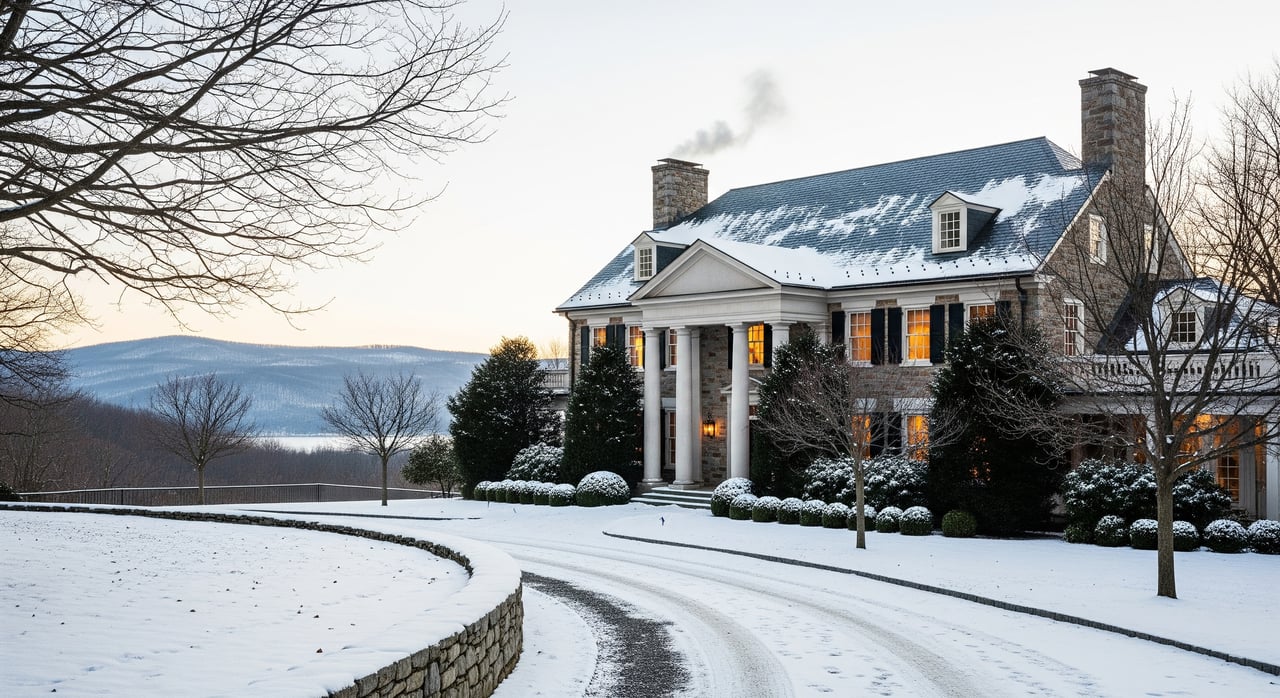
Greek Revival
Visual ID and layout
- Street-facing gable that reads like a classical pediment
- Wide trim under the eaves, corner pilasters or columns
- Symmetrical façade with an entry framed by transom and sidelights
Most have center-hall plans and formal front rooms, with higher ceilings than earlier colonial forms. Proportions can feel gracious while still being practical for daily living.
Materials, maintenance, and resale
You will see painted wood clapboard designed to imitate stone, along with interior woodwork featuring classical moldings. Exterior trim can be costly to restore, and original windows and doors may not be energy efficient. It pays to check for settling or roofline issues that might distort cornices.
Resale demand is strong among buyers who prize architectural provenance. Sensitive updates that keep historic trim and scale intact help these homes shine in the local market.
Victorian and late 19th century
Visual ID and layout
- Gothic Revival: pointed arches, steep gables, decorative bargeboards
- Italianate: low-pitched or hipped roofs, tall narrow windows, bracketed eaves
- Second Empire: distinctive mansard roof with dormers
- Queen Anne: asymmetry, wraparound porches, patterned shingles, bay windows, spindlework
Plans are often asymmetrical with multiple parlors, a formal dining room, and sometimes rear service wings. Later examples may include small former service spaces that can transition to offices or playrooms today.
Materials, maintenance, and resale
Look for patterned shingles, ornate wood trim, stained glass, brick in some cases, and detailed interior woodwork and fireplaces. Decorative elements need skilled carpentry, and historic windows can be costly to restore. Electrical and plumbing may be outdated, and many rooms are compartmentalized.
Resale appeal is high when period detail is preserved and upgrades are done with care. In village settings, these homes contribute strong curb appeal and can command premiums once systems and layouts are tuned for modern living.
Mid-century and post-war
Visual ID and layout
- Ranch and split-level forms with low or flat rooflines
- Horizontal profiles, large windows or sliders, attached garages
- Open living, dining, and kitchen zones are common in ranches
Split-levels use staggered living areas that separate public and private spaces. Regional mid-century modern examples may include post-and-beam structure and simple, indoor-outdoor flow.
Materials, maintenance, and resale
Expect clapboard or board-and-batten siding, brick accents, and asphalt roofs, with oak floors and built-ins inside. Many homes from this era have single-pane windows and limited insulation, but updates are typically straightforward. Slab foundations or crawlspaces should be inspected.
Resale is strong in segments that value openness and mid-century character. Modernizing windows, insulation, and kitchens or baths is usually moderate in cost compared with full historic restorations.
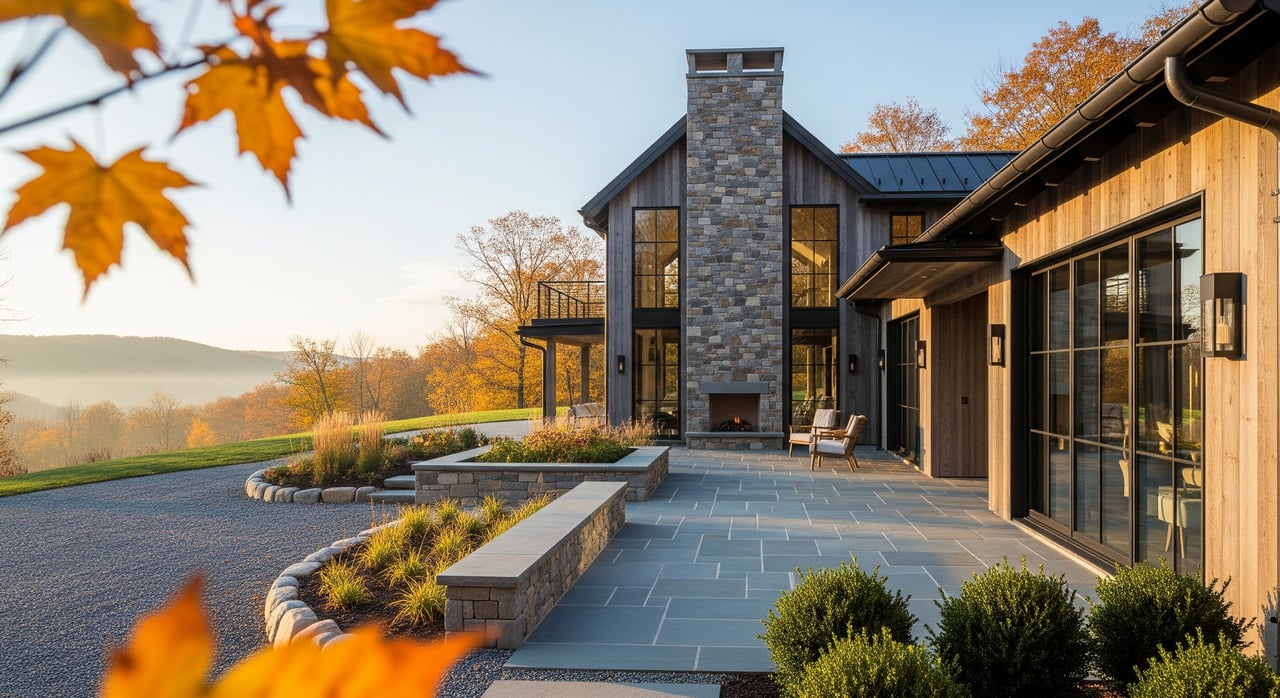
Modern barn conversions and new “barn” homes
Visual ID and layout
- Large gabled or gambrel rooflines and simple rectangular volumes
- Expansive windows or glass walls, big sliding or folding openings
- Lofted interiors with flexible living and work areas
Layouts emphasize openness and indoor-outdoor connection with patios and wide openings. Interiors often feature exposed timber, double-height spaces, and minimal partitions.
Materials, maintenance, and resale
You will see reclaimed or new heavy timber, board-and-batten siding, metal roofing, concrete floors, steel accents, and high-performance glazing. New builds typically integrate modern HVAC and insulation, but large volumes require attention to acoustics and heating. For true adaptive reuse, verify structural upgrades, foundation work, and insulation retrofits.
Resale appeal is very strong with second-home and creative buyers who want flexible, photogenic spaces. Year-round performance, especially winter comfort and heating costs, drives long-term satisfaction.
What to watch for in Red Hook
- Systems and energy: Many older homes need insulation, heating upgrades or heat pumps, updated electrical panels, and window restoration or replacement.
- Water and waste: Private wells and septic systems are common. Ask for well water tests and confirm septic capacity, age, and soil absorption.
- Foundations and masonry: Fieldstone and rubble foundations can be durable but may need repointing or drainage improvements. Check for moisture and settling.
- Historic district and permitting: Exterior changes in designated areas often require review. Confirm status with the Town or Village of Red Hook before planning work.
- Flooding and site: Review FEMA flood maps for low-lying parcels and request Elevation Certificates when relevant.
- Roads and snow: Long or steep driveways are common. Consider winter maintenance and access.
- Outbuildings: Old barns can be assets but may need structural, roof, or foundation work. Verify any preservation constraints or incentives.
- Commuting: Proximity to Rhinecliff or Hudson rail stations and the Taconic State Parkway affects appeal. Verify actual travel times in all seasons.
Quick showing checklist
- Roof age and condition; look for leaks or patches.
- Foundation soundness, cracks, bulging, or moisture.
- Signs of water intrusion in basements or crawlspaces.
- Heating system type, age, fuel, and maintenance records.
- Attic insulation levels and window type or storm windows.
- Condition of porches, columns, and decorative trim.
- Septic tank access and age; request recent well tests if applicable.
- Historic district status or exterior work constraints.
- Barns and outbuildings: roof decking, beams, foundation, and settlement.
- Evidence of mold, staining, or older paint finishes in pre-1978 homes.
Positioning for resale
- Historic houses: Emphasize preserved details with updated mechanicals and careful restoration. Buyers respond to authenticity paired with comfort.
- Mid-century and modern barns: Highlight open plans, indoor-outdoor flow, and energy upgrades that improve winter comfort.
- Farmhouses: Showcase usable land, outbuildings, and potential for flexible living, such as guest space or a studio.
Ready to find your fit?
Whether you are drawn to a porch-front farmhouse, a dignified Greek Revival, a lively Victorian, a laid-back ranch, or a striking modern barn, the best match balances character, comfort, and care. If you want help reading the details and weighing future updates, we are here to guide you from first tour to closing. Reach out to Peter and Stella Ilani for friendly, expert support tailored to your goals.
FAQs
What are the most common home styles in Red Hook, NY?
- You will regularly see farmhouses, Greek Revival homes, Victorian-era styles, mid-century ranch or split-level houses, and modern barn conversions or new barn-inspired builds.
How does winter affect home maintenance in northern Dutchess County?
- Freeze-thaw cycles stress roofing, masonry, paint, and insulation, so buyers should prioritize roof condition, drainage, energy performance, and heating system capacity.
What should I know about wells and septic systems locally?
- Many properties rely on private wells and septic; request water tests, confirm septic capacity and age, and review soil absorption or recent maintenance records.
Are there historic district rules in the Village or Town of Red Hook?
- Some properties fall within local historic districts where exterior changes require review; verify a home’s status early to plan timelines and scope.
Which styles are easiest to update for modern living?
- Mid-century homes often accept insulation, window, and kitchen-bath updates readily, while historic homes may need more specialized restoration to preserve character.
Do modern barn homes stay comfortable in winter?
- Yes, when designed or converted with proper insulation, high-performance windows, and right-sized heating systems, but verify specifications for big, open volumes.
What should I prioritize on a first showing in Red Hook?
- Focus on roof age, foundation condition, signs of water intrusion, heating system details, attic insulation, septic and well records, and any historic or floodplain constraints.