Trying to choose between a walkable Red Hook village home and a quiet place on a few acres? You’re not alone. Many NYC movers and local families weigh convenience and character against privacy and space. In this guide, you’ll get a clear, side-by-side look at what everyday life, costs, maintenance, and commutes really look like in both settings, plus a practical checklist to use on tours. Let’s dive in.
Village living in Red Hook
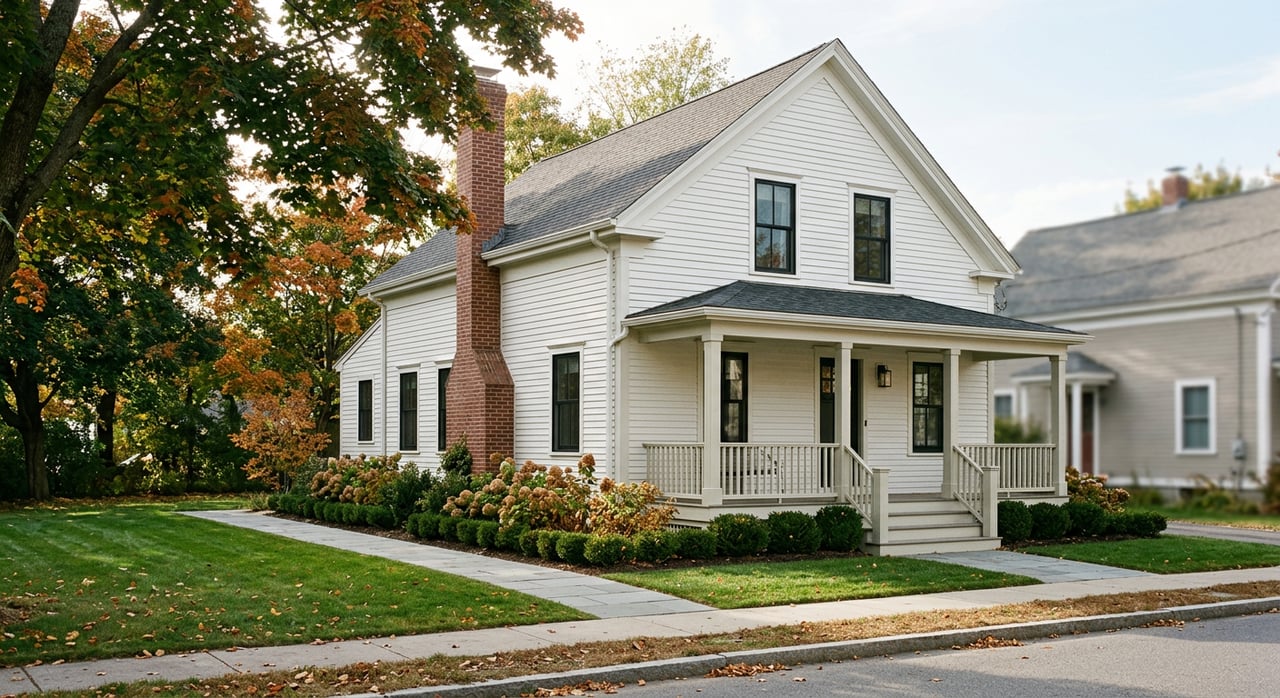
If you picture a classic main street with shops, restaurants, and community events, village living may fit your style. Lots are usually smaller with easier yard care, and you can often walk or take very short drives for errands. Many homes are older and may offer character features like front porches and detailed woodwork.
You’re more likely to have municipal water and sewer, sidewalks, streetlights, and municipal trash service. Driveways are shorter and winter access is typically easier. Keep in mind that off-street parking can be limited, and exterior changes may be guided by zoning or historic-district rules depending on the block.
Country living around Red Hook
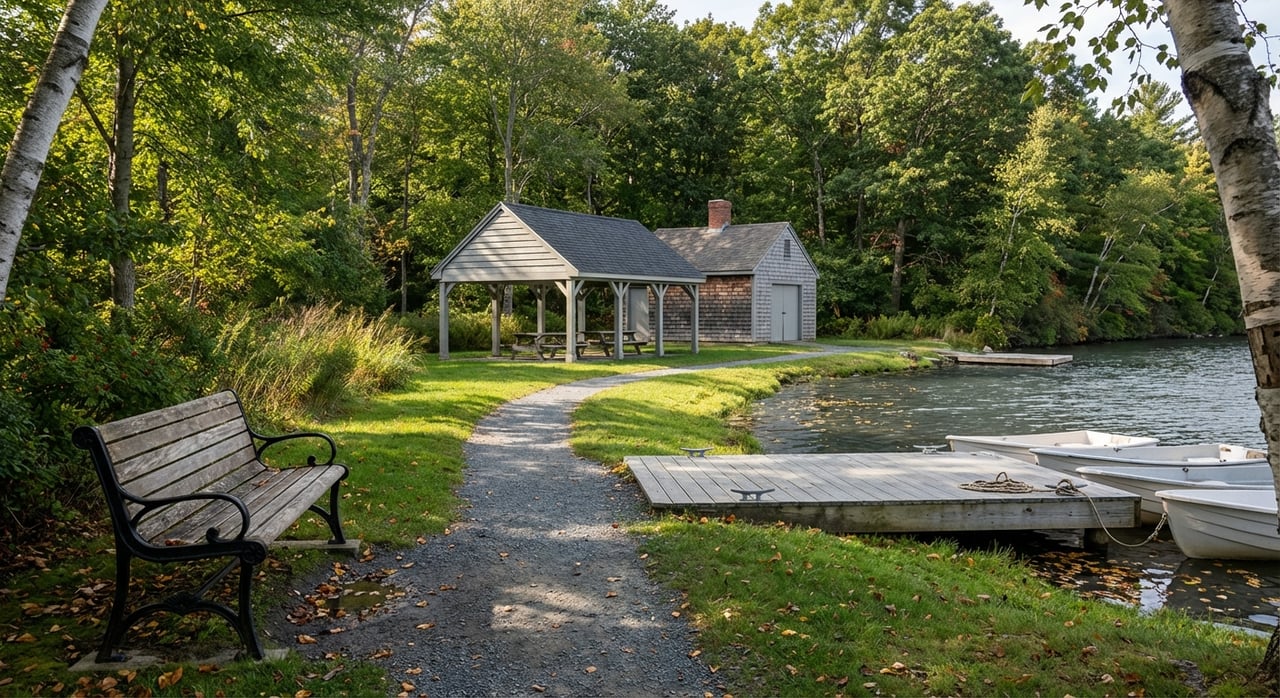
Country properties sit outside the village core on larger lots or multiple acres. You’ll often find homes set back from the road with space for gardens, pets, and outbuildings like barns or sheds. The trade-off is more upkeep: mowing larger areas, tree care, fencing, and driveway maintenance.
Utilities look different too. Rural homes commonly rely on a private well and on-site septic, and heating may be oil, propane, electric heat pumps, or wood. Broadband can vary by road, and some properties are on private or unpaved roads where you’re responsible for plowing or grading. If occasional winter storms are in your life, factor in that added time and vehicle readiness.
Commute and transportation
Many Red Hook residents drive to work or to a rail station. A common pattern is to park-and-ride to the Hudson Line Metro-North station in Poughkeepsie or to use Amtrak at Rhinecliff or Hudson. Depending on where you live in Red Hook and traffic, expect a 20–60+ minute drive to a station before boarding the train.
Local bus service exists but is less frequent than in urban areas, so most people rely on a personal car for the first and last mile. If you work hybrid or remote, reliable high-speed internet is essential. Village locations tend to shorten drives to stations, schools, and errands, while country locations add first-mile time and can be slower in winter.
Costs, taxes, and insurance
Property taxes are a meaningful yearly cost in New York State, and exact bills vary by municipality, school district, and assessment. Village homes often receive village services like water and sewer billed through the municipality. Country homes typically pay privately for well and septic upkeep while still paying school and county taxes.
Routine costs differ by setting:
- Village: Smaller yards and shorter driveways mean less routine landscape and snow maintenance. Older homes may call for periodic upgrades to systems and windows.
- Country: Budget for septic pumping every few years, well servicing and possible filtration, regular driveway plowing or repair, and broader landscape care.
Insurance can vary. Older village homes might need specific coverage, and rural homes with long driveways or wood heating can affect premiums. Ask for quotes early, and verify any flood or wildfire risk as part of due diligence.
Utilities and mechanical systems
Older village houses can include legacy systems like older wiring, plumbing, and aging foundations or siding. Standard inspections are important, and you’ll want to understand renovation needs if you plan updates.
In the country, plan to test well water quality and well yield, and have the septic system inspected to confirm age, capacity, and condition. Confirm fuel type and delivery logistics, and evaluate driveway slope and drainage. In both settings, check insulation and windows so you have a realistic picture of seasonal energy costs.
Lifestyle and amenities
Village life centers around convenience and connection. You’re close to shops, restaurants, community events, the post office, and local parks. Day-to-day errands and organized activities for kids are easier when you’re minutes away.
In the country, you trade immediate access for privacy and space. It’s often quieter with room for outdoor projects, gardening, and recreation on your own land. You may drive farther for groceries, healthcare, or activities, so plan your weekly routes.
Schools and childcare
Red Hook is served by the Red Hook Central School District. Exact school buildings and bus routes depend on your address. Village residents may be closer to certain school facilities, while country families often rely more on bus transportation. Childcare and after-school options are usually closer to village centers; from rural properties, factor in drive time.
Buyer checklist to use on tours
Use this practical list to compare properties and avoid surprises:
- Commute test: Drive your typical routes at the times you’d travel. Time the trip to the train station you’d use.
- Utilities check: Confirm water source (municipal or well), sewer (municipal or septic), heating fuel, and electric service capacity.
- Broadband and cell: Test at the property and ask providers about current speeds and planned upgrades.
- Well and water: Request well yield info and an independent lab water quality test.
- Septic: Verify age, size, maintenance records, and consider a dye test.
- Survey and boundaries: Confirm lot lines, easements, and any shared-driveway agreements.
- Road maintenance: Clarify who maintains the driveway or private road and get any shared maintenance agreements in writing.
- Environmental checks: Review FEMA flood maps and potential wetland or state environmental constraints.
- Heating and envelope: Inspect heating system age and condition and evaluate insulation and windows.
- Historic or zoning rules: In the village, confirm any historic-district guidelines; in the town, check zoning for accessory structures or hobby-farm plans.
- Schools: Verify school assignments and bus routes for your address.
- Insurance: Get quotes early, especially if the home has outbuildings, wood heating, or a long driveway.
Which is right for you?
Choose village living if you value walkability, a steady rhythm of community events, short errand times, and easier winter access. Expect smaller lots and the possibility of renovating older systems over time.
Choose country living if you want privacy, acreage, and room to expand your lifestyle on your land. Expect more hands-on maintenance, private utilities, variable broadband, and longer first-mile commutes. Both choices can be excellent if they match your daily priorities.
Work with local guides who know both
If you’re deciding between a cottage near the village green and a farmhouse on ten acres, local guidance matters. As longtime Hudson Valley specialists, we help you compare properties through the lens of commute, utilities, maintenance, zoning, and resale potential so you can buy with confidence. For warm, concierge-style support from search to closing, connect with Peter and Stella Ilani. We’re here to help you find the right fit in Red Hook.
FAQs
What’s the biggest day-to-day difference between village and country living in Red Hook?
- Village living emphasizes walkability and quick errands, while country living trades convenience for privacy, space, and outdoor freedom.
How do commuting patterns change if I live outside the Village of Red Hook?
- Expect more first-mile drive time to rail stations and services, plus seasonal impacts on private or unpaved roads.
What utilities should I verify on a rural Red Hook property?
- Confirm well yield and water quality, septic age and capacity, heating fuel type and delivery logistics, and broadband and cell service.
Are village homes easier to maintain than country homes?
- Typically yes for landscaping, snow, and driveway care, but older village homes may need system upgrades or renovation over time.
How do property taxes compare between village and country addresses?
- Taxes vary by municipality, school district, and assessment; village bills may include municipal services while rural owners pay privately for well and septic.
What inspections are essential before I buy in the Red Hook area?
- At minimum: home inspection, well yield and water test, septic inspection, survey and boundary review, and insurance quote confirmation.