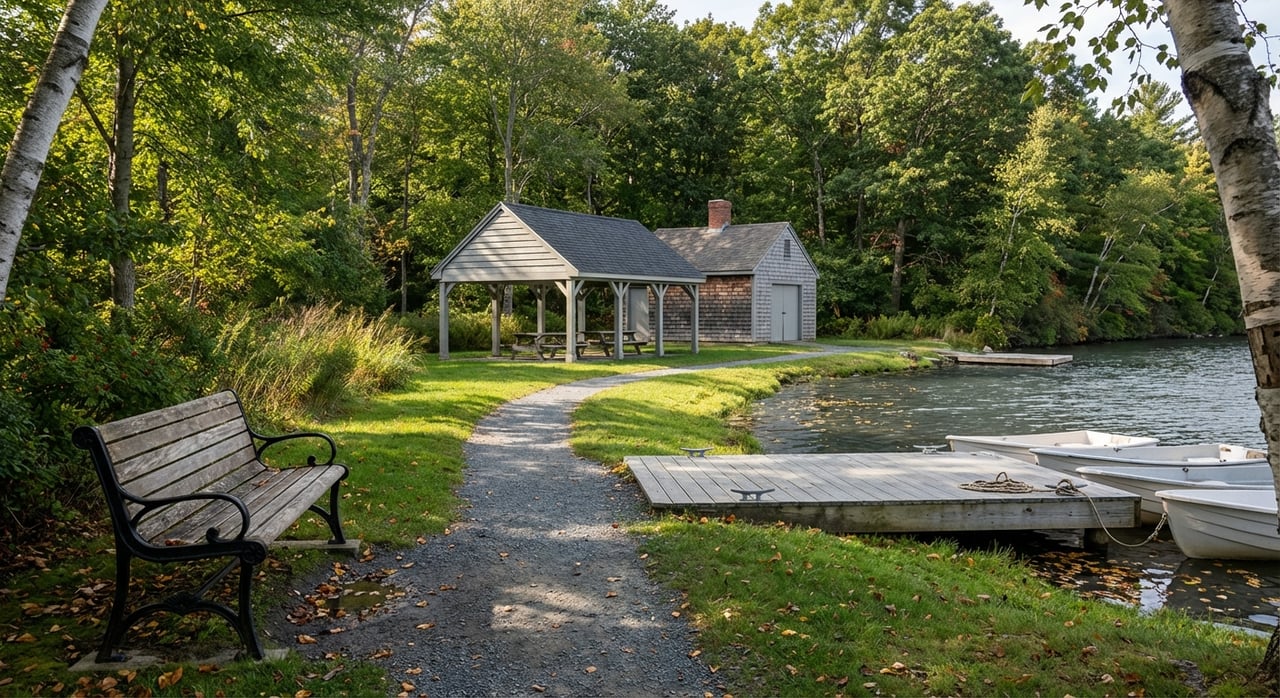
Thinking about a home in Woodstock but not sure how to move fast and smart? You are not alone. Inventory can feel tight, tours can eat up entire weekends, and second-home financing can add questions. In this guide, you will see how partnering with local buyer-side experts helps you focus your search, uncover opportunities, and write offers that win while protecting your interests. Let’s dive in.
Why buy in Woodstock now
Woodstock blends creative energy with quiet, rural living. You will find older village homes, wooded parcels, and scenic roads that draw many New York City weekenders and second-home buyers. The market is often inventory constrained, and demand tends to rise in spring and summer. You can learn more about the town’s character and services on the Town of Woodstock website.
Because selection is limited in popular price ranges, preparation matters. A clear plan helps you jump on the right home, compare options in context, and keep your timeline realistic. That is where a buyer-side strategist makes the difference.
What a buyer-side strategist does
A great buyer agent should act as your strategist, not just your scheduler. Here is how that looks in Woodstock.
Curated tours that save hours
Before you ever get in the car, your agent should pre-screen listings using disclosures and public records. In Woodstock, that means checking for well and septic details, access, fuel type, and any obvious red flags that would waste your time. Showings are then clustered by location and property status to reduce backtracking and keep the day productive.
During the tour, you should receive recent comps, probable repair items, and local context like parking norms, village guidelines, and proximity to services. A simple notes log and next-step list after each stop keeps the search focused and reduces decision fatigue.
Off-market access that expands options
In a low-inventory market, off-market outreach can be a real unlock. Effective agents tap their network, engage local brokers, monitor FSBOs and community boards, and even contact specific owners through county tax records. Off-market activity must follow ethical rules, including the NAR Clear Cooperation Policy. The key is relationships and documented seller authorization. The more rooted your agent is locally, the more likely you are to hear about opportunities early.
Your personal search portal
A well-configured portal gives you an edge. The best setup includes:
- Real-time MLS feeds and agent-sourced opportunities with map view and filters for price, lot size, bedrooms, and systems.
- Instant text or push alerts for new matches and price changes.
- Favorite, decline, and compare tools so you and your agent stay aligned.
- Easy tour requests and shared document space for disclosures and drafts.
If you are ready to act, keep criteria tight to avoid alert fatigue. Set one feed for must-see-now homes and another for backup options. Use the favorite and decline features so your agent can move quickly when the right home hits.
Financing readiness for speed
A written pre-approval tells sellers you are serious. For second homes, a lender familiar with Hudson Valley properties can save time by understanding wells, septic systems, oil heat, and rural appraisals. Cash can be competitive, but it is not required. If you are financing, line up a responsive mortgage contact who can meet tight timelines.
Budget for closing costs as well. You can review typical costs and loan options with resources like Bankrate’s mortgage guidance, then verify numbers with your lender and attorney.
Make strong offers without overexposure
You can be competitive and still protect yourself. These levers help you write a compelling offer in Woodstock.
Terms sellers value
Price matters, but so do clean terms. Flexible closing dates, a reasonable rent-back if the seller needs time, and a stronger earnest money deposit can set you apart. Always include proof of funds or a pre-approval to show credibility.
Smart contingencies
Older homes and rural systems make inspections critical. Consider a two-part approach: a quick general inspection, followed by targeted specialists if needed. An inspection contingency with a defined repair cap or clear timeline can keep you competitive while protecting your interests. If you need a financing or appraisal contingency, keep timelines tight and realistic in coordination with your lender and attorney.
In bidding situations, some buyers offer an appraisal gap guarantee. Only do this if you have the cash cushion and understand the risk. Your agent should help you weigh comps and set a cap that fits your budget.
Escalation clauses and buyer letters
Escalation clauses can help in multi-offer scenarios if drafted cleanly. Some sellers prefer simple offers, so take your agent’s read on the situation. Personal letters to sellers are often discouraged because of fair housing risks. Follow guidance from HUD on fair housing and keep communications objective. Focus on your qualifications and flexible terms rather than personal details.
Local due diligence in Woodstock
Woodstock and greater Ulster County have unique property factors. Plan your checks early so you can move fast with confidence.
Wells, septic, and aging systems
Many homes rely on private wells and septic. Schedule pump tests, water quality checks, and septic inspections. The New York State Department of Health and the Ulster County Health Department offer guidance on private wells and septic systems. Older homes may also have oil heat, wood stoves, older wiring, or masonry foundations. Your inspection plan should account for these.
Zoning, historic overlays, and the environment
Confirm zoning, allowed uses, and any permit requirements with the Town of Woodstock planning and zoning offices at the Town of Woodstock site. Some village properties may have historic considerations that affect exterior changes. Environmental factors such as wetlands and watercourses fall under the New York State DEC, and any floodplain questions should be checked through the FEMA Flood Map Service Center.
Taxes, assessments, and operating costs
Review assessed values, tax bills, and exemptions with Ulster County Real Property. If you plan to occupy seasonally, clarify how that impacts exemptions and tax planning with your attorney or tax professional. For rural parcels, confirm internet options, shared driveways, and road maintenance so you understand ongoing obligations.
Short-term rental rules
Short-term rental policies vary by town and can change. If you plan to rent, verify current requirements and registration rules with the Town of Woodstock before committing. Your agent can connect you with local offices and attorneys to confirm the latest standards.
Your fast-track timeline
A simple, realistic timeline keeps you moving without missing key steps.
- Day 0 to 7: Get pre-approval or collect proof of funds. Set up your personalized search portal and finalize must-haves versus deal breakers.
- Day 7 to 21: Tour efficiently with curated routes and rapid follow-ups. Refine criteria based on live feedback.
- Day 21 to 35: Write offers. Once under contract, open inspection contingency, usually 7 to 14 days.
- Day 30 to 45+: Complete specialist inspections, negotiate repairs or credits, and finalize financing.
- Closing: Often 30 to 60 days after contract, depending on lender and attorney timelines.
Pre-offer checklist
- Obtain a written mortgage pre-approval or secure proof of funds.
- Set up a customized portal with immediate alerts for top matches.
- Clarify must-haves versus deal breakers, including systems and lot needs.
- Retain a local real estate attorney and line up inspectors and a mortgage contact.
- Prepare earnest money and closing cost funds, typically 2 to 5 percent depending on loan type.
Ready to see what is possible this month in Woodstock? Reach out to Peter and Stella Ilani to set up your curated search, tour plan, and offer strategy.
Why work with Peter and Stella Ilani
You get a boutique, family-first team backed by a respected national brand. That means responsive communication, neighborhood-level insight across Woodstock and the Hudson Valley, and polished systems that help you act fast. You also benefit from curated tours, off-market outreach, and a streamlined “My Search Portal” that keeps everyone on the same page.
If you want a second home near the village or a private wooded escape, you will have a clear plan from search to closing. Connect with Peter and Stella Ilani to start your Woodstock home search with confidence.
FAQs
How competitive is the Woodstock market for second-home buyers?
- Inventory is often limited and demand rises in warmer months, so preparation, fast alerts, and strong terms help you compete.
What should I know about wells and septic in Woodstock?
- Many homes use private wells and septic; plan for pump tests, water quality checks, and system inspections using guidance from the New York State Department of Health and the Ulster County Health Department.
Do I need a local attorney for a Woodstock purchase?
- In much of New York, attorneys handle contracts and title; have one ready before you write offers to keep timelines tight.
Are off-market opportunities allowed in Woodstock?
- Yes, but they must follow rules like the NAR Clear Cooperation Policy; experienced local agents with strong networks are most effective.
Can I use a Woodstock home for short-term rentals?
- Short-term rental rules vary and change; verify current Woodstock requirements directly with the town before you buy.
How do I protect myself in a bidding war without overpaying?
- Use clear comps, set a firm cap, keep contingencies tight but protective, and consider limited appraisal gap coverage only if you have the funds.
What due diligence should I do on land and environmental factors?
- Confirm zoning with the Town of Woodstock, check wetlands with the New York State DEC, and verify any floodplain status at the FEMA Flood Map Service Center.