Do you picture morning coffee on a walkable Main Street or sunset over acres of quiet meadow? If you are choosing between life in Rhinebeck Village and a country property in the Town of Rhinebeck or greater Dutchess County, you are not alone. Each option offers a distinct pace, budget profile, and daily rhythm. In this guide, you will compare homes and lot sizes, walkability, commute options, utilities and inspections, plus a simple framework to help you decide with confidence. Let’s dive in.
Village vs country: what it means
Rhinebeck Village is the compact, incorporated downtown at the heart of Rhinebeck. It spans roughly 1.5 square miles and had about 2,697 residents at the 2020 Census, which gives it a small-town, close-knit feel with a traditional Main Street. You will hear people use “the Town of Rhinebeck” to describe the broader, more rural area that surrounds the village and includes hamlets like Rhinecliff. These labels matter because they signal how close you are to shops and services, and what kind of property infrastructure you may have. The Village of Rhinebeck page is a helpful primer on the area’s layout and scale.
Rhinecliff, the river hamlet, is inside the Town of Rhinebeck and is your key rail access point. The station serves Amtrak’s Hudson corridor and sits a short local drive from the village center. Move just a few miles out from downtown and you enter low-density country roads, farms, and wooded parcels. Your day-to-day experience will change with that shift.
Homes and lot sizes
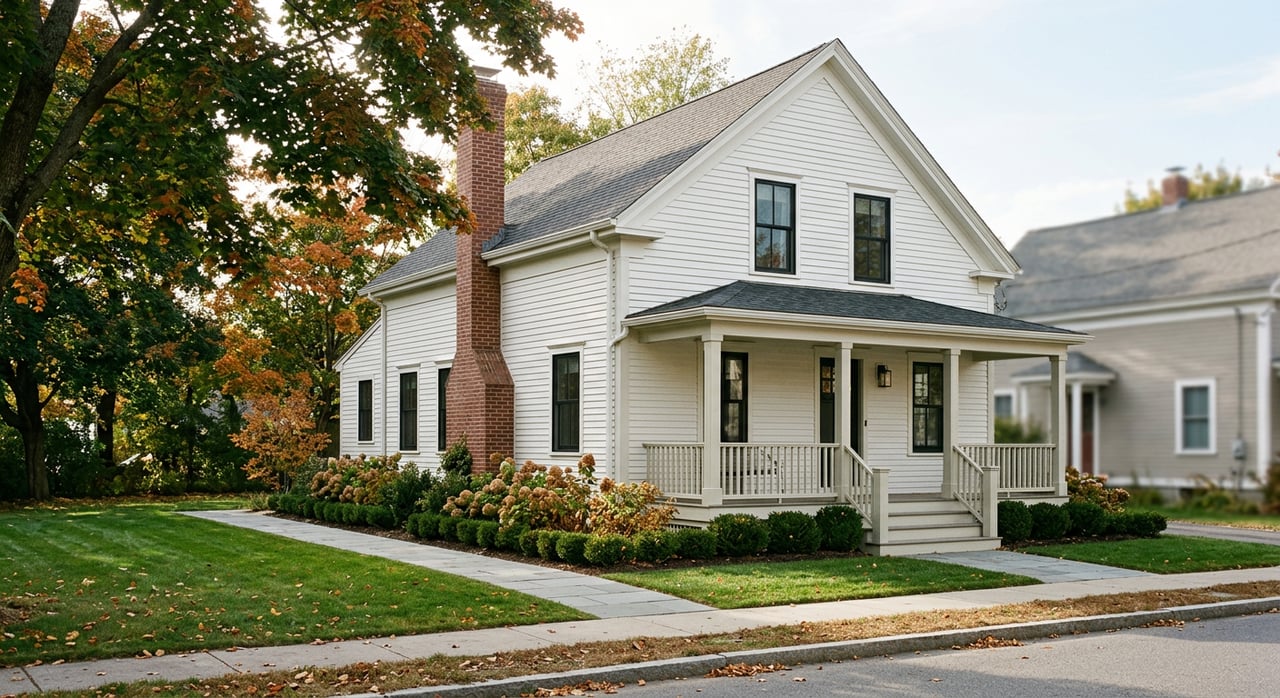
In Rhinebeck Village, you will find historic single-family houses, village-scale homes, and occasional carriage houses on modest lots. Many parcels are fractions of an acre, often around 0.1 to 0.5 acre. That smaller footprint supports a walkable lifestyle with less yard work and more time in town.
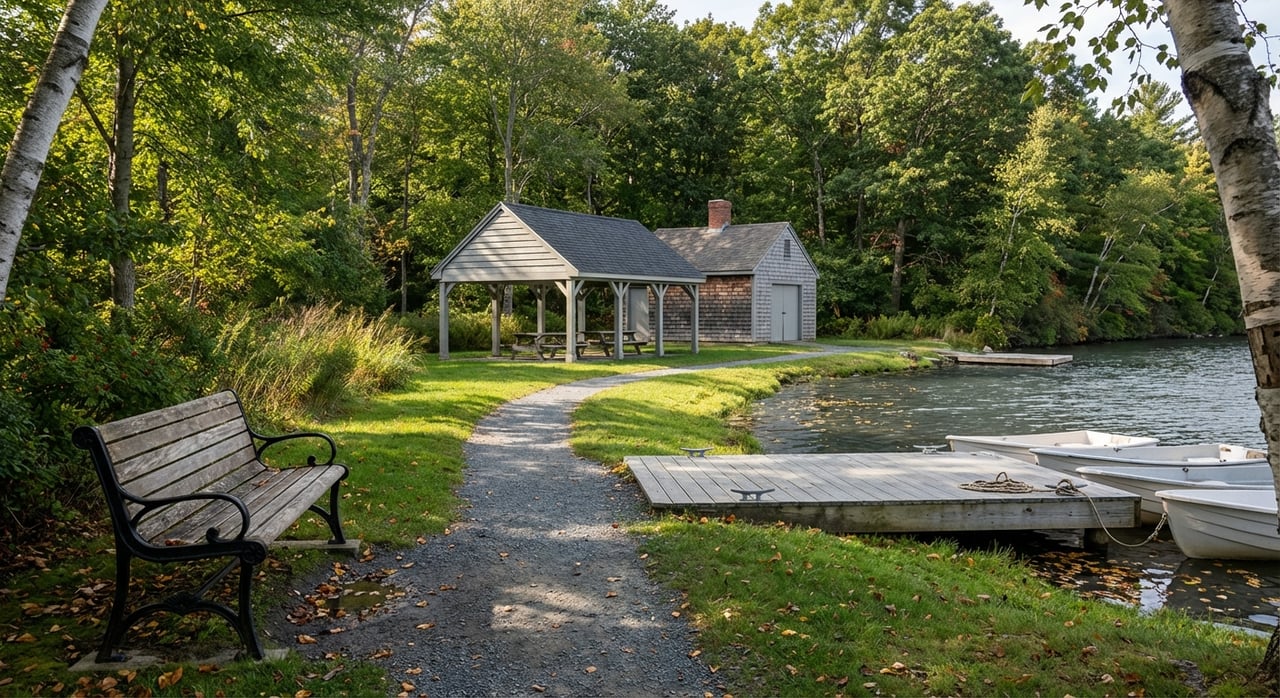
Country properties in the Town of Rhinebeck and nearby Dutchess County lean toward more space. It is common to see 1 to 10 or more acres, with a mix of classic farmhouses, converted barns, newer country builds, and private estates. Larger parcels offer privacy, room for gardens or small animals, and a deeper connection to the natural setting.
On price, recent signals vary by data provider and boundary. In late 2025 and early 2026, ZIP-level listing medians for 12572 showed a range around the mid to high seven hundreds, while broader summaries for the Rhinebeck area were near one million. These are both valid signals that reflect different samples. In practice, village homes often command higher per-square-foot prices than many country properties, while large acreage or river-view estates can reach far higher totals. Because Rhinebeck has lower transaction volume, medians can swing, so your best budgeting step is to review three recent local closed comps that match your target setting.
Walkability and everyday life
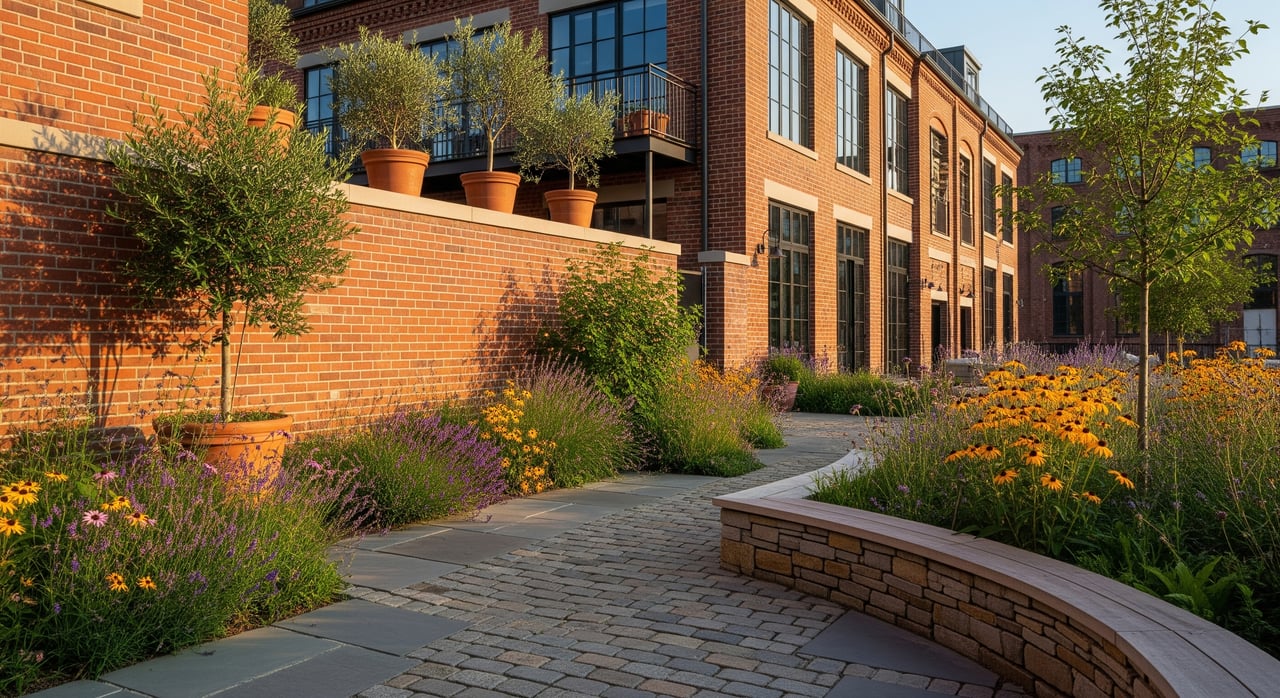
If you want to park the car and head out on foot, the village core delivers. Its compact downtown concentrates independent shops, restaurants, and a well-loved farmers market around East and West Market and Montgomery Row. The pedestrian experience and frequent community events are part of the appeal. The Village of Rhinebeck’s “About” page highlights the walkable character and civic life that anchor in-village living.
Village addresses near the center show notably higher Walk Scores. An example address in the core reports a Walk Score near 65, which signals that some errands can be done on foot. Move one or two miles out and most daily tasks will require a car. If you are an avid walker, do a simple field test: spend 15 minutes on foot around East Market and see how the route feels in your shoes.
Country living trades walkable errands for space and privacy. You can still enjoy Rhinebeck’s cultural life, including beloved local fixtures like community cinema and seasonal fairs, but you will plan short drives to most places. Many buyers love this balance: quiet evenings at home and easy access to village restaurants, bakeries, and events when they want them.
Commutes and regional access
For New York City trips, you will generally compare two routes. Many residents drive to Poughkeepsie for Metro-North service to Grand Central. Others use the Rhinecliff Amtrak station to reach Penn Station or Albany. Typical Metro-North ride times from Poughkeepsie run about 1 hour 40 to 50 minutes for many trains, and select Amtrak options can be comparable or slightly faster depending on the schedule. Always test door-to-door time, including the drive to the station, parking, and wait. The Upstate House community spotlight frames realistic options for the area.
Bus options exist but are more limited than rail. If you plan to use intercity buses or county routes, start with published options listed by regional resources like the Catskill Mountains Scenic Byway transit page, then confirm schedules.
Healthcare access is a local strength. Northern Dutchess Hospital sits right in Rhinebeck and provides an emergency department and many outpatient services. Whether you are in the village or the country, having a hospital nearby is a meaningful convenience.
Water, sewer, zoning and inspections
Water and sewer basics
Infrastructure is one of the biggest practical differences between village and country living. Only about a third of Village residents are connected to the municipal wastewater system. Many village properties still rely on private septic, and outside the village private well and septic are the norm unless you are within an extended district. This affects your monthly costs, maintenance, and the inspections you will order. You can review the village system overview on the Village of Rhinebeck wastewater page.
Zoning patterns
Town and village codes aim to keep development walkable near the center while preserving open space in rural areas. That is why some new infill near the village can feel very “in-town” even if it sits just outside the village boundary. The Town’s zoning emphasizes minimum lot sizes and conservation in rural districts. For details, see the Town of Rhinebeck code portal.
Smart inspections that matter
Country homes add a few essential checks to your inspection list. Many buyers plan these before they fall in love with the setting:
- Private well testing. Dutchess County advises periodic testing and provides lab guidance. Review the county’s water quality resources and request recent bacterial and nitrate results.
- Septic system evaluation. Ask for a septic inspection from a qualified provider. If records are limited, consider a separate septic engineer review and plan for potential upgrades.
- Radon testing. New York buyers are encouraged to test during the inspection period. The EPA radon guide explains action levels and mitigation basics.
- Lead paint, oil tank checks, and historic-home items. Older homes, especially in the village, may warrant targeted tests and a tank sweep. A good local inspector will guide you.
Property taxes and monthly costs
Property tax bills vary by school district, village or town lines, and any special districts. When you run your budget, combine estimated mortgage, insurance, property taxes, utilities, and routine maintenance. Acreage can add lawn or driveway care and well or septic service over time. Ask the seller for recent utility bills and a current tax breakdown so you can estimate year-one costs with confidence.
How to decide: a simple framework
Step 1: Rank your top priorities
Give each a letter and define it in numbers:
- A: Daily walkability. For example, live within a few blocks of East or West Market and Montgomery Row.
- B: Commute time. Set a door-to-door maximum to Grand Central or Penn Station.
- C: Acreage and privacy. Pick a minimum lot size in acres and the distance you want from neighbors.
- D: Budget. Define your target purchase price and total monthly cost ceiling.
Step 2: Field test your lifestyle
Turn those priorities into quick experiments before you make an offer:
- Village test. Spend an afternoon walking three blocks in each direction from your favorite café. Count how many errands you can do on foot.
- Country test. From a target property, time a 15-minute drive to the grocery, pharmacy, and school pick-up route. Note how the roads feel in winter or at night.
- Commute test. Drive to your preferred station during the actual commute window, then ride a train and time the full trip. The Upstate House overview is a good starting reference.
Step 3: Plan red-flag inspections early
For country homes, require well water lab results and a septic inspection, then add a radon test in every purchase. For village houses, emphasize lead paint and any oil tank investigation. Order the right specialists up front so surprises do not derail closing.
Step 4: Run a total-cost check
Start with regional median signals to set expectations, then refine with three recent closed comps from the same setting, village block or country road. Add insurance, taxes, utilities, and maintenance for a full monthly view. If the number is too high, adjust acreage, location, or features before you widen your search.
Quick buyer checklist
Use this as a ready reference as you tour homes:
- Define must-haves vs nice-to-haves: walkability, acreage, workspace, garden, or hobby needs.
- Pull three to five recent closed comps that match your exact setting.
- Test both NYC routes: drive to Poughkeepsie for Metro-North or to Rhinecliff for Amtrak, and time door-to-door.
- If outside the village, get well bacterial and nitrate results and a septic inspection. Start with Dutchess County well guidance.
- Order a short-term radon test during inspections. Review the EPA’s radon basics.
- Confirm school district lines and recent enrollment on the Rhinebeck Central School District website.
- Ask the seller for recent heat, electric, and water bills plus a full tax breakdown. Use those numbers to estimate your first year’s total cost.
Ready to talk through what fits your lifestyle and budget in Rhinebeck? Reach out to Peter and Stella Ilani for local, concierge-level guidance on village homes, country properties, and everything in between.
FAQs
Is Rhinebeck Village walkable for daily errands?
- Many addresses in the village core can walk to shops, restaurants, and the farmers market, with example Walk Scores near 65. Outside the compact center, most errands will require a car.
How long is the NYC commute from Rhinebeck?
- Door-to-door times vary by route. Many trains from Poughkeepsie to Grand Central take about 1 hour 40 to 50 minutes, and select Amtrak trains from Rhinecliff can be comparable or a bit faster depending on stops. Always test your exact schedule.
Do village homes have public sewer and water?
- Only a portion of village properties connect to municipal wastewater. Many village homes still use private septic, and most country properties use private well and septic unless a district is present.
What inspections are must-do for a country home near Rhinebeck?
- Plan well water testing, a septic inspection, and a radon test. Add lead paint and oil tank checks for older homes.
How do property taxes compare between village and town homes?
- Taxes vary by school district, municipal lines, and any special districts. Ask for the latest tax bills and use all line items to estimate your annual total before you make an offer.