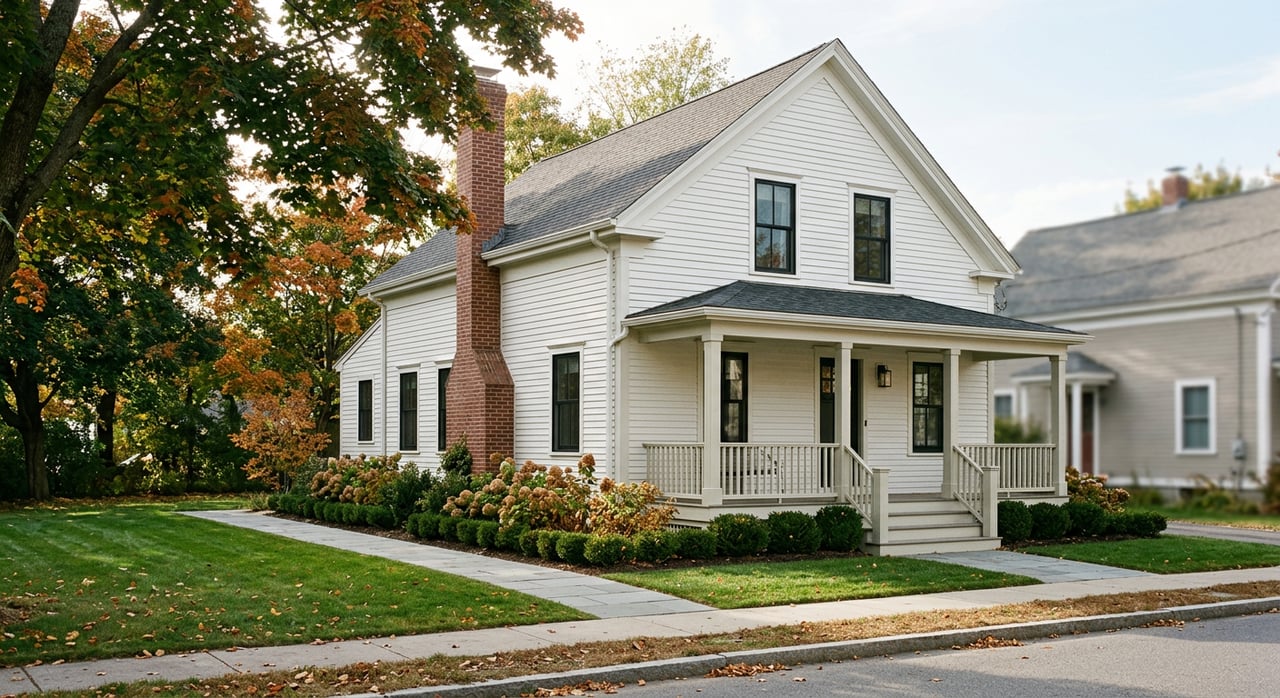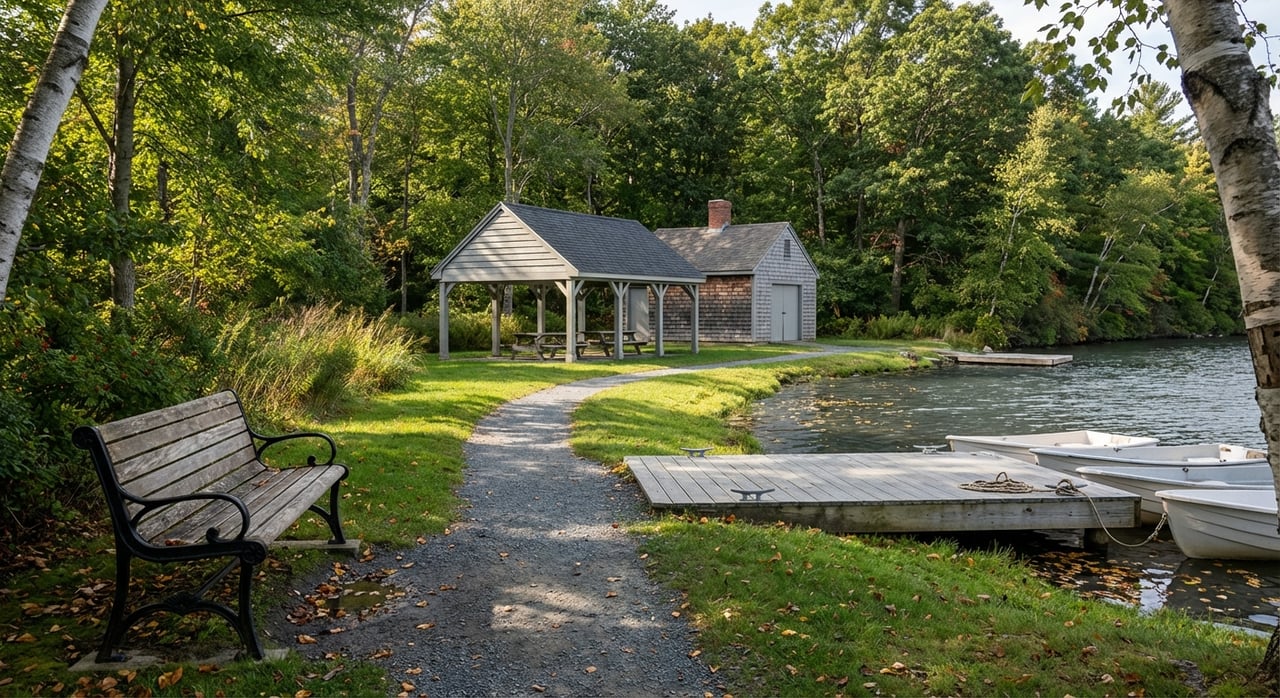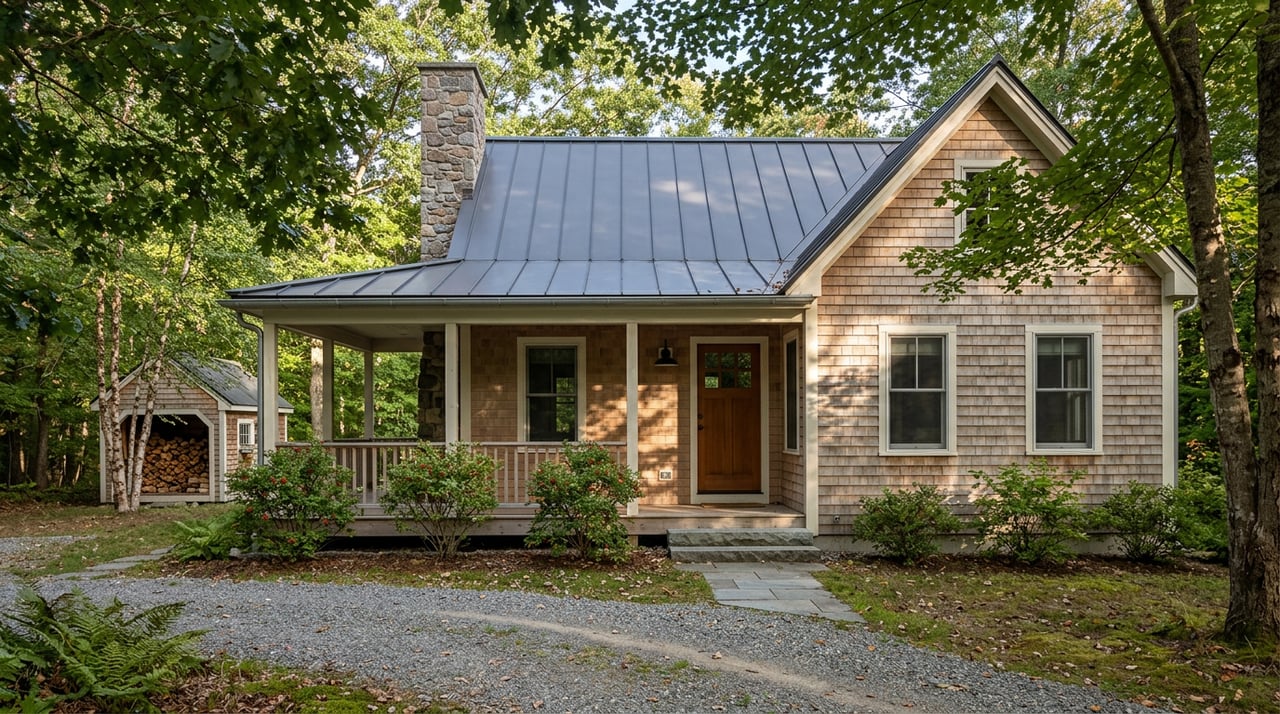
Dreaming about a cozy weekend place in the Catskills where you can unwind, host friends, and maybe offset costs with occasional rentals? Woodstock checks a lot of boxes for NYC buyers who want nature, arts, and a quick escape. Still, buying a second home here comes with local rules, seasonal quirks, and a few extra steps you do not want to miss. In this guide, you will learn how the market works, what short-term rental rules apply, how lenders treat second homes, and what to check before you buy. Let’s dive in.
Why Woodstock works for a second home
Easy NYC access
You can usually drive from Manhattan to Woodstock in about 2.0 to 2.5 hours in light traffic, with longer times during peak foliage weekends. For bus and local connections, review current NYC options and Ulster County Area Transit routes that serve Kingston and Woodstock. If you plan to split time between the city and your home upstate, this travel window keeps weekend use realistic. For planning, see this overview of typical drive times and routes for NYC to Woodstock travel and check UCAT for local bus connections.
- Reference: How far Woodstock is from NYC and typical drive times
- Local transit: UCAT routes serving Woodstock and Kingston
Seasonal market feel
Woodstock is a small, seasonal market. Inventory tends to tighten in winter and expand in spring and early summer, while demand for rentals peaks in summer and fall. Recent trackers put the median sale price in the Woodstock area roughly in the $730,000 to $800,000 range, with quarter-to-quarter swings. Expect competition for well-located, turnkey properties and be ready to move when the right home surfaces.
Can you rent it when you are not using it?
Short-term rental rules are the single most important local factor for second-home buyers. In the Town of Woodstock, operating an STR requires registration, compliance with safety standards, and adherence to category-specific limits. The town code lays out definitions, permitting, occupancy rules, and annual renewal conditions. Before you pencil in rental income, confirm the most current rules and permit availability.
- Town code reference: Woodstock STR definitions, permits, and rules
Registration and permits
All STRs must register with the Town. Registration typically requires annual renewal, a safety inspection, and posting your town registration number in listings. You must list local emergency information for guests and have a local contact who can respond to issues. If a prior owner operated legally, still confirm that the permit can transfer or be reissued and whether caps affect new applicants.
Owner-occupied vs non-owner units
Woodstock distinguishes owner-occupied STRs from non-owner-occupied STRs. Category, bedroom count, and occupancy limits differ, and non-owner units face tighter controls. Notably, non-owner-occupied STRs are capped at 180 rental days per calendar year and face limits on the number of weekends that can be rented. The town also set program caps on total STR registrations, which can limit new permits.
County occupancy tax
If you plan to rent, budget for Ulster County’s hotel and motel occupancy tax. As of February 1, 2024, the county applies a 4 percent occupancy tax to STRs, and operators must register and file. Some platforms may remit part of the tax, but you are still responsible for registration and full compliance. Confirm filing schedules before you begin renting.
- County tax details: Ulster County Hotel and Motel Occupancy Tax for STRs
Financing a second home in Woodstock
Second home vs investment loans
Lenders treat second homes differently from primary residences and from investment properties. Many conforming programs expect a higher down payment, documented cash reserves, and proof you will use the property personally. If you plan to rent it frequently or immediately, the lender may classify it as an investment property, which typically requires a larger down payment and carries higher interest rates. Be honest about intended use to avoid loan reclassification later.
Get pre-qualified early
Talk with a lender before you start touring. Share your intended use, target price, and how often you might rent. Ask for written guidance on down payment, reserves, and any occupancy rules tied to your loan program. A clear pre-approval tailored to second-home terms helps you act quickly when the right property hits the market.
Ownership basics: wells, septic, winter
Water and septic due diligence
Many Woodstock-area homes rely on private wells and on-site septic systems. Plan for well water testing and a full septic evaluation during inspections. The town requires suitable water and sewage disposal for permitted uses, and the county has highlighted private-well testing, including emerging contaminants like PFAS. Build in time and budget for testing and any needed mitigation.
- Town code context on water and sewage requirements: Woodstock code reference
- County context on private-well testing and PFAS initiatives: Ulster County well-testing updates
Winter readiness and access
Expect cold winters. Budget for snow removal, winterization, and backup heat. Verify the heating fuel source and delivery options and clarify who will handle access and emergencies if you are out of town. If you plan to host guests, consider a reliable local co-host or property manager.
Insurance for seasonal and STR use
Standard homeowners policies often have vacancy or unoccupancy limits. If you leave the home empty for long stretches or plan to operate as an STR, ask your insurer about endorsements or policies designed for seasonal and rental use. Confirm requirements for local contacts, safety devices, and liability limits so coverage is not compromised.
Buyer checklist for Woodstock
Use this step-by-step list to buy with confidence and avoid surprises:
- Confirm intended use and STR status. Decide whether you will use the home primarily for personal stays or occasional rentals. Review the town’s STR rules and ask the Building or Zoning office about category, registration, and current permit caps.
- Town code: Short-term rental definitions and rules
- Town FAQ and application windows: Woodstock STR FAQ and summary
- Register for county occupancy tax if renting. Understand the 4 percent rate, registration steps, and filing schedules before taking bookings.
- County tax guidance: Ulster County Occupancy Tax for STRs
- Talk to a lender early. Get pre-qualified for a second-home loan, confirm down payment and reserve requirements, and be clear about any rental plans.
- Overview: Second-home mortgage basics
- Order full inspections. Schedule a general home inspection, septic evaluation, and private-well testing for bacteria and nitrates, and consider PFAS if applicable. Review any septic and well permits with the town or county.
- Town reference for water and sewage: Code overview
- Verify land use and permits. Check zoning, any overlays, accessory structures, and open code cases with the Town Building or Zoning office before you waive contingencies.
- Confirm insurance coverage. Get quotes that address vacancy limits and STR use. Ask about endorsements or policies designed for seasonal homes.
- Verify property taxes. Pull parcel-level tax data from the assessor rather than relying on neighborhood averages. Include school district levies in your estimate.
- Build conservative rental projections. If you plan to rent, include cleaning, management, utilities, winter heating, annual safety inspections, permit fees, repairs, a vacancy reserve, and the 4 percent county occupancy tax.
Next steps
Buying a second home in Woodstock can be a rewarding move if you plan for the local rules, seasonal rhythms, and maintenance needs. With clear goals, the right financing, and a smart due-diligence process, you can enjoy your retreat and protect your investment.
If you would like a local guide to help you target the right properties, confirm STR feasibility, and coordinate inspections and contractors, reach out to Peter and Stella Ilani. Our team brings concierge-level service and deep Hudson Valley expertise so you can buy with confidence.
FAQs
What is the typical drive time from NYC to Woodstock?
- In light traffic, plan for about 2.0 to 2.5 hours by car, with longer times on busy weekends; for bus and local connections, review options and UCAT routes.
Are short-term rentals allowed in Woodstock, NY?
- Yes, but only with registration and under specific categories and limits; non-owner units are capped at 180 rental days per year and permits are subject to program caps under the town code.
Do I have to pay a local tax if I rent my second home?
- If you operate an STR, Ulster County applies a 4 percent hotel and motel occupancy tax and requires registration and filings; see county guidance.
How do lenders treat a second home vs an investment property?
- Second-home loans generally require a higher down payment and cash reserves and assume personal use; frequent or immediate rentals can push the loan into investment territory; see this second-home mortgage primer.
Are most Woodstock homes on well and septic?
- Many rural-area homes use private wells and on-site septic; budget for water testing and a septic evaluation and review town references on suitable water and sewage systems at the code overview.